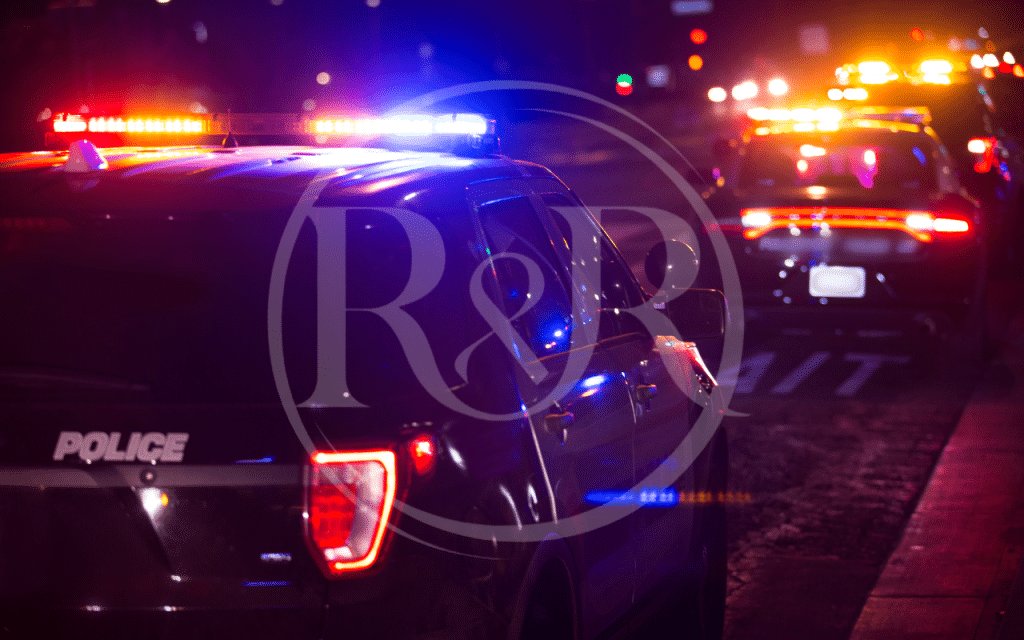

The screeching of tires. The sound of metal crushing. The feeling of impact. For many car accident survivors, these sensations don’t fade when the ambulance drives away. They replay over and over, intruding into daily life weeks, months, or even years after the collision.
Post-traumatic stress disorder following a car crash is more common than most people realize. If you’re experiencing anxiety, nightmares, or fear of driving after an accident in New York City, you’re not alone. More importantly, you may be entitled to compensation for this psychological injury, even if your physical wounds have healed.
At Rosenberg & Rodriguez, we recognize that trauma isn’t limited to broken bones and surgical scars. The emotional aftermath of a car accident in Manhattan or anywhere in New York can be just as debilitating as physical injuries. Here’s what you need to know about seeking compensation for PTSD after a crash.
Why Car Accidents Trigger PTSD
Most people associate PTSD with combat veterans or survivors of violent crimes. However, motor vehicle accidents are actually one of the leading causes of post-traumatic stress disorder in the United States. The sudden, life-threatening nature of crashes creates the perfect conditions for lasting psychological trauma.
During a collision, your brain’s threat response activates instantly. Adrenaline floods your system. Your body prepares for survival. Even after the danger passes, your mind may remain stuck in that heightened state of alert, constantly scanning for threats and replaying the traumatic event.
The unpredictability matters too. Unlike scheduled surgery or an illness that develops gradually, car accidents happen without warning. One moment you’re driving to work or picking up groceries. The next, your world explodes in chaos. This sudden loss of control can shatter your sense of safety in profound ways.
Certain types of collisions create higher risks for PTSD. Truck accidents involving massive commercial vehicles can be especially traumatic. Watching an 80,000-pound tractor-trailer bear down on your vehicle creates visceral terror that’s hard to shake. Similarly, pedestrian accidents where victims feel completely vulnerable and exposed often result in lasting psychological effects.
Recognizing the Signs of Post-Crash PTSD
PTSD manifests differently in each person, but certain symptoms commonly appear after traffic accidents. Understanding these signs helps you recognize when professional help is needed and strengthens your legal claim.
Intrusive Thoughts and Flashbacks
You might find yourself reliving the accident repeatedly. The memories intrude without warning, triggered by sounds, smells, or situations that remind you of the crash. Some people experience full flashbacks where they feel like they’re back in the accident, complete with physical sensations like accelerated heart rate and sweating.
Dreams about the collision can disrupt your sleep night after night. You might wake up in a panic, struggling to shake the feeling that you’re still in danger.
Avoidance Behaviors
Many accident survivors develop elaborate strategies to avoid reminders of their trauma. This might mean:
- Refusing to drive or ride in cars
- Taking circuitous routes to avoid the accident location
- Becoming anxious when approaching intersections or highways
- Canceling plans rather than traveling in vehicles
- Avoiding conversations about the accident
These avoidance patterns can severely restrict your life. Jobs become impossible to reach. Social connections suffer. Your world gradually shrinks as you organize everything around managing your fear.
Hypervigilance and Heightened Reactions
After experiencing a Brooklyn car accident, you might feel constantly on edge. Every nearby vehicle seems like a threat. You grip the steering wheel with white knuckles, your body tense and ready for impact. Normal traffic patterns that never bothered you before now trigger intense anxiety.
This hyperarousal exhausts you. Maintaining constant vigilance drains mental and physical energy, leaving you fatigued even when you haven’t done anything strenuous.
Negative Changes in Mood and Thinking
PTSD often brings emotional numbness, detachment from loved ones, or loss of interest in activities you once enjoyed. Some people develop persistent negative beliefs: “I’m not safe anywhere,” “I can’t trust my own judgment,” or “Something terrible will happen again.”
Depression frequently accompanies post-accident PTSD. The combination of anxiety, disrupted sleep, and lifestyle limitations creates a recipe for depressive symptoms that compound the trauma’s impact.
New York Law Recognizes Psychological Injuries
Here’s the crucial legal point: New York courts have long recognized that psychological trauma constitutes a legitimate injury deserving compensation. You don’t need broken bones or visible scars to have a valid personal injury claim.
The key requirement is establishing that your PTSD is a direct result of the accident and that it substantially impacts your life. This differs from minor, temporary stress that resolves quickly. We’re talking about diagnosed mental health conditions that interfere with your ability to work, maintain relationships, and function normally.
The “Zone of Danger” Rule
New York applies what’s called the “zone of danger” rule for emotional distress claims. Essentially, you must have been at risk of physical harm in the accident. If you were in the vehicle during the collision or directly threatened by the crash, you fall within this zone.
This differs from bystander claims, where someone witnesses a loved one’s injury but isn’t personally endangered. Those cases have stricter requirements. But if you were the accident victim, even if your physical injuries were minor, your PTSD claim stands on solid legal ground.
Documentation Requirements
Insurance companies don’t simply take your word that you’re suffering from PTSD. They demand evidence. This is where many claims falter because people don’t recognize the importance of documentation early in the process.
Critical documentation includes:
- Formal PTSD diagnosis from a qualified mental health professional
- Treatment records from therapy sessions
- Prescriptions for anti-anxiety or antidepressant medications
- Statements from family members describing personality changes
- Employment records showing missed work or performance issues
- Journal entries detailing symptoms and their impact
The sooner you seek treatment and establish this documentation trail, the stronger your claim becomes. Insurance adjusters and defense attorneys will argue that delayed treatment suggests your condition isn’t serious or isn’t related to the accident.

How PTSD Affects Settlement Values
Psychological injuries add substantial value to personal injury claims. The compensation covers multiple categories of damages related to your mental health condition.
Medical Treatment Costs
Therapy isn’t cheap, especially in New York City. Individual counseling sessions typically cost $150 to $300 per session. Specialized trauma therapy like EMDR (Eye Movement Desensitization and Reprocessing) or cognitive behavioral therapy may cost more. Many people need ongoing treatment for months or years.
Psychiatric care adds another layer of expense. If you require medication management, regular appointments with a psychiatrist will factor into your medical costs. Prescriptions for SSRIs, anti-anxiety medications, or sleep aids represent ongoing expenses.
Lost Income and Diminished Earning Capacity
PTSD can make working impossible or significantly impair job performance. If anxiety prevents you from commuting, you might lose your job. If concentration problems and emotional volatility damage your productivity, you might face demotion or reduced hours.
For people whose jobs involve driving, like delivery workers involved in Uber Eats accidents or DoorDash accidents, PTSD can end their careers entirely. These lost wages and diminished future earning capacity represent major economic damages.
Pain and Suffering
Beyond economic losses, PTSD justifies substantial pain and suffering damages. Living with constant fear, disrupted sleep, and emotional turmoil constitutes genuine suffering. The loss of life enjoyment when you can no longer engage in normal activities deserves compensation.
Juries and insurance companies understand that quality of life matters. When someone can’t drive their children to school, take a trip to visit family, or feel safe in their own car, that represents a profound loss.
Challenges You’ll Face
While New York law supports PTSD claims, insurance companies will fight to minimize or deny your compensation. Understanding their tactics helps you prepare.
The “Pre-Existing Condition” Argument
Insurers love claiming that you had anxiety or depression before the accident and therefore your current symptoms aren’t their responsibility. They’ll scrutinize your medical history looking for any prior mental health treatment.
This argument has limits. Even if you had previous anxiety, the accident can create new trauma or significantly worsen existing conditions. An experienced New York personal injury lawyer can distinguish between pre-existing issues and trauma-induced symptoms.
Surveillance and Social Media
Insurance companies sometimes hire investigators to watch claimants or scour their social media profiles. They’re looking for evidence that contradicts your claimed limitations. A single photo of you smiling at a family gathering might be twisted to suggest you’re not really suffering.
This doesn’t mean you should hide indoors. It means being thoughtful about what you post publicly and understanding that your activities will be scrutinized.
“Independent” Medical Examinations
The insurance company will likely require you to undergo an examination by their chosen psychiatrist or psychologist. Despite the “independent” label, these doctors often work regularly for insurance companies and tend to minimize injury severity.
Going into these exams prepared makes a difference. Be honest but concise. Don’t downplay your symptoms, but don’t exaggerate either. Contradictions between what you tell this examiner and what you’ve told your treating doctors will be exploited.
Building a Compelling PTSD Claim
Success requires strategic case development from the beginning. Several elements strengthen psychological injury claims significantly.
Immediate Medical Attention
Seeking help quickly after the accident establishes clear causation. If you wait six months to see a therapist, insurance adjusters will question whether the accident really caused your PTSD or if something else happened in the interim.
Even if you’re unsure whether you need professional help, an initial evaluation creates important documentation. Your primary care doctor can provide referrals to mental health specialists who understand trauma.
Consistent Treatment
Gaps in therapy undermine your claim. Insurance companies argue that if you’re truly suffering, you’d attend every scheduled appointment. While life circumstances sometimes interfere with perfect attendance, maintaining regular treatment demonstrates the ongoing nature of your condition.
Expert Testimony
Complex PTSD cases often benefit from expert psychological testimony. A respected psychiatrist or psychologist can explain to a jury how car accidents cause PTSD, why your symptoms are consistent with genuine trauma, and what your prognosis looks like. This expert testimony carries significant weight.
Corroborating Evidence
Third-party observations strengthen your case. Family members can describe personality changes they’ve witnessed. Employers can confirm attendance problems or performance declines. Friends can explain how you’ve withdrawn from social activities or express constant fear.
This corroboration is particularly valuable when you’re dealing with invisible injuries. Unlike a broken leg that anyone can see, PTSD requires others to witness and validate your suffering.
Special Considerations for Severe Accidents
Certain collision types create particularly severe psychological trauma. Hit-and-run accidents combine physical danger with feelings of betrayal and injustice. Drunk driving accidents add moral outrage to the trauma mix.
When accidents result in serious injuries to passengers or loved ones, survivors may develop complex PTSD that intertwines their own trauma with grief and guilt. Cases involving wrongful death where family members witnessed or were present during fatal accidents present unique psychological challenges.
These severe cases typically justify higher compensation. The trauma’s intensity, the treatment complexity, and the likelihood of permanent psychological effects all factor into case valuation.
Why Legal Representation Matters for Psychological Claims
PTSD claims require particularly skilled legal advocacy. Insurance companies know that psychological injuries are harder to prove than broken bones, so they fight these claims aggressively.
An experienced attorney understands how to build persuasive psychological injury cases. This includes identifying the right medical experts, gathering compelling evidence, and presenting your story in ways that resonate with insurance adjusters, mediators, or juries.
We also handle the legal complexity while you focus on healing. Dealing with insurance companies is stressful under normal circumstances. When you’re already struggling with anxiety and trauma, that stress can worsen your symptoms. Having an attorney manage these interactions protects your mental health and your claim.
Your Path Forward
If you’re experiencing PTSD after a car crash in New York City, take these steps immediately:
First, seek professional mental health care. Don’t wait for symptoms to worsen. Early intervention improves both your psychological recovery and your legal claim.
Second, document everything. Keep detailed records of your symptoms, treatment, and how PTSD affects your daily life. This documentation becomes crucial evidence.
Third, consult with an attorney before speaking with insurance companies. Initial statements can damage your claim if you’re not prepared. Insurance adjusters may seem sympathetic, but their goal is protecting their company’s bottom line, not ensuring you receive fair compensation.
At Rosenberg & Rodriguez, we’ve helped countless New Yorkers recover compensation for psychological injuries following traffic accidents throughout the city. We understand that trauma is real, debilitating, and deserving of full compensation. Whether your accident happened in Roosevelt, Freeport, or anywhere else in the metro area, we’re here to help.
Contact us today for a free consultation. We’ll review your case, explain your legal options, and help you understand what your PTSD claim is worth. You pay nothing unless we win your case. Your emotional recovery is just as important as your physical healing, and we’re committed to fighting for the compensation you deserve.