

Were you injured in a slip and fall accident on Long Island?
Contact our office for a free, confidential case review with a Long Island, NY slip and fall lawyer.
Slip and fall accidents often require prompt action to preserve evidence and establish liability. Rosenberg & Rodriguez Personal Injury Lawyers has represented injured New Yorkers in premises liability cases since 2001. Our Long Island, NY slip and fall lawyer will investigate the accident, document the hazardous condition, identify the responsible parties, and pursue the compensation you may be entitled to. Contact us today for a free consultation.
Long Island, NY Slip and Fall Lawyer
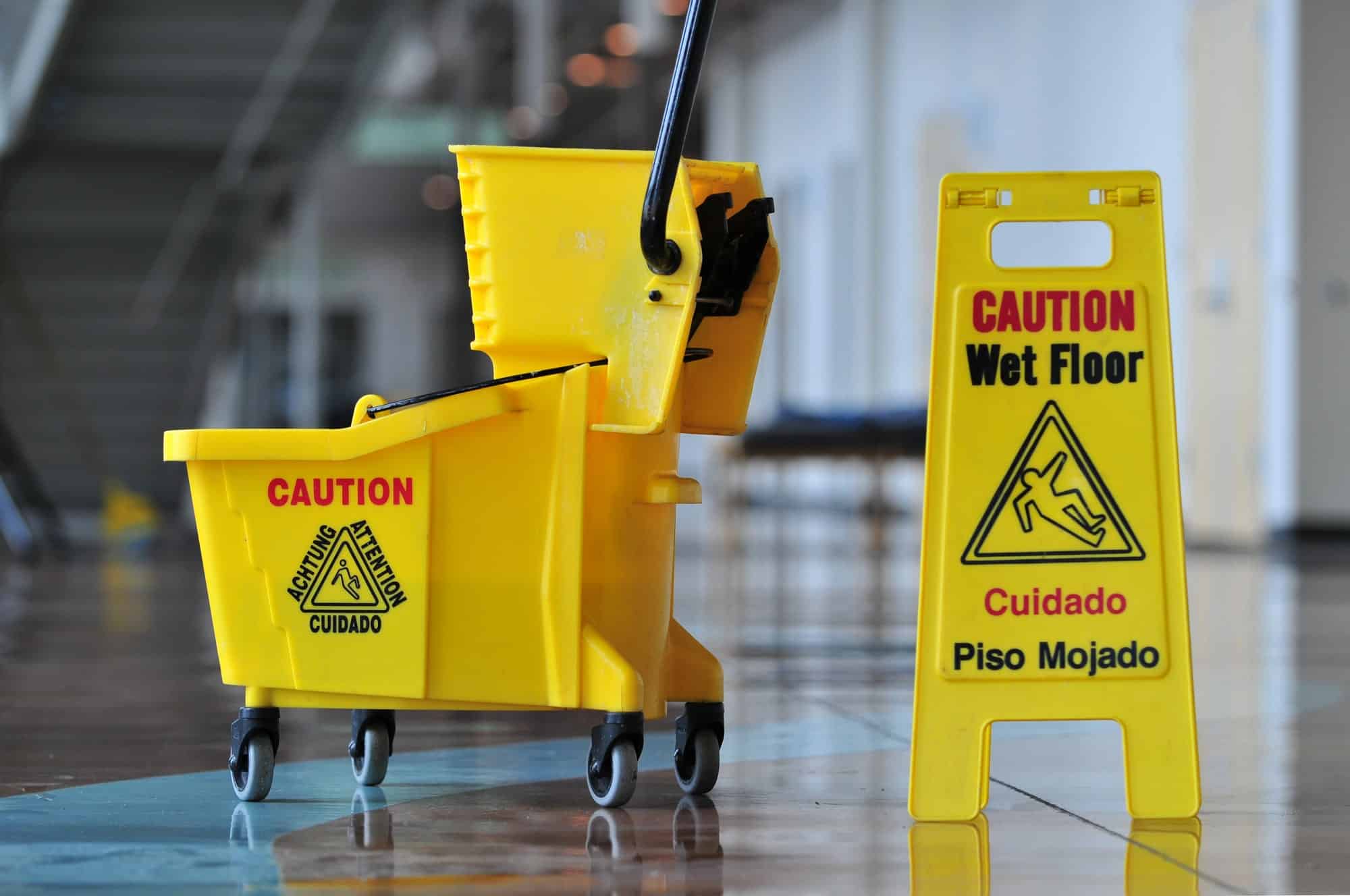
A slip and fall case is a type of premises liability claim. It arises when a person is injured on someone else’s property because of a dangerous condition. The key question is whether the property owner knew about the hazard, or should have known, and did nothing to fix or warn people.
On Long Island, these cases come up constantly: grocery store aisles, apartment building stairwells, and icy parking lots outside shopping centers in Commack. According to the CDC, falls are the leading cause of nonfatal injuries treated in emergency departments nationwide. A Long Island slip and fall attorney determines who owns or manages the property and establishes that the dangerous condition existed long enough to have been addressed. From there, the case is built to pursue full compensation.
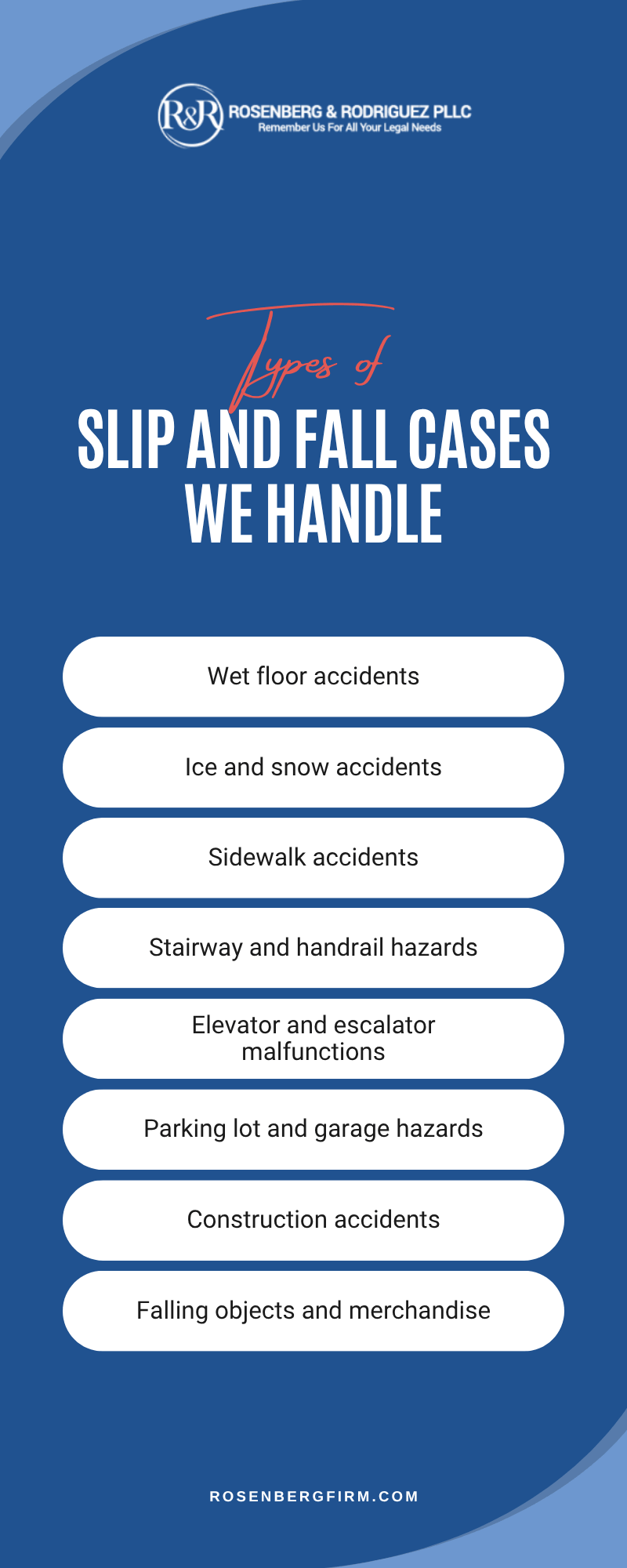
Types of Slip and Fall Cases We Handle on Long Island

Slip and fall accidents result from conditions that somebody should have fixed and didn’t. These are the types of premises liability cases our firm handles across Long Island.
- Wet floor accidents. Spills in grocery aisles, leaking coolers in restaurants, mopped lobbies without warning signs. The property owner or business created the hazard or ignored it. Either way, they’re responsible.
- Ice and snow accidents. Long Island winters produce black ice on walkways, unshoveled sidewalks, and packed snow in commercial parking lots. Property owners have a legal duty to clear these hazards within a reasonable time after a storm ends.
- Sidewalk accidents. Cracked concrete, raised pavement, tree roots pushing up sidewalk slabs. When a municipality or property owner fails to maintain a walkway, they can be held accountable for the injuries that follow.
- Stairway and handrail hazards. Loose handrails, broken steps, poor lighting in stairwells. Building code violations in stairways are a common basis for premises liability claims, particularly in apartment buildings and older commercial properties.
- Elevator and escalator malfunctions. Sudden stops, uneven leveling, doors closing on passengers. Mechanical failures in elevators and escalators cause falls that result in broken bones, head injuries, and back injuries.
- Parking lot and garage hazards. Potholes, unmarked curbs, oil spills, missing lighting. Property owners have the same obligation to maintain their parking areas as they do the buildings they’re attached to.
- Construction accidents. Exposed wiring, tools left in walkways, unmarked drop-offs, temporary surfaces that shift under foot. When a construction project creates a danger for pedestrians or tenants, the contractor or property owner may be liable.
- Falling objects and merchandise. Overstacked shelving in retail stores, unsecured items in stockrooms, ceiling tiles that give way. Head injuries and fractures are common in these cases.
Why Choose Rosenberg & Rodriguez Personal Injury Lawyers as My Long Island, NY Slip and Fall Lawyer?
A Firm with Two Decades of Premises Liability Experience
Slip and fall cases are difficult to win. The property owner’s insurance company has an entire playbook designed to defeat these claims. They’ll argue the hazard was “open and obvious.” They’ll say you should have seen it. They’ll claim the condition existed for so short a time that the owner could not have known about it. Beating those defenses requires a firm that has been through this before.
Rosenberg & Rodriguez Personal Injury Lawyers has handled property owner liability cases since the firm opened in 2001. The firm brings 100 combined years of legal practice to slip and fall claims.
Laura Rosenberg has practiced personal injury law in New York and New Jersey for 25 years. She is admitted to both state and federal courts. Laura has been named a Super Lawyer each year from 2019 through 2026, a distinction limited to the top five percent of attorneys in the state. Laura is a member of the New York State Trial Lawyers Association and the New York State Bar Association.
Ivan Rodriguez joined the firm in 2003 after years as an investigator for a New York City government agency. In slip and fall cases, that investigative background is applied to pulling maintenance records, locating prior incident reports, and identifying building code violations. He establishes that the property owner had actual or constructive notice of the hazard. Ivan graduated from Hofstra University School of Law and is a member of the American Association for Justice. He has tried cases to verdict and argued before the Appellate Division.
The firm serves as a personal injury lawyer in Long Island, NY for a wide range of accident and negligence matters. Over the years, the firm has recovered millions of dollars for injured clients. Every slip and fall case is handled on contingency. No cost unless we recover.
What Is Important to Understand About a Slip and Fall Case?
Damages, Liability, and Compensation for Slip and Fall Cases
Slip and fall injuries range from soft tissue sprains to hip fractures, spinal damage, and traumatic brain injuries. The compensation depends on the severity of the harm and how clearly the evidence connects the property owner’s negligence to your fall.
Economic damages include hospital bills, surgery, physical therapy, medication, assistive devices, lost wages, and reduced earning capacity. Falls that cause hip fractures in older adults or head injuries at any age frequently involve extended rehabilitation. Those long-term costs must be part of the claim.
Non-economic damages cover pain and suffering, emotional distress, loss of independence, and the effect on daily life. A person who can no longer walk unaided or climb stairs without fear has a non-economic claim that goes well beyond hospital bills. In fatal fall cases, surviving family members may pursue a wrongful death claim. Many slip and fall claims result in meaningful settlements even when surgery is not required.
Liability in a slip and fall case turns on notice. Did the property owner know about the hazard? Should they have known? New York applies pure comparative negligence. If the property owner argues you were partly at fault, the award is reduced by your share of responsibility. But the claim does not go away.
What Are Important Aspects of a Slip and Fall Case?
The critical evidence in a slip and fall case is the condition that caused the fall. And that condition may be gone within hours.
- Photographs of the exact location where you fell, the hazard itself, surrounding conditions, and any absence of warning signs, taken before anything is repaired
- An incident report filed with the property owner or manager before you leave
- Medical records from the day of the fall, since delayed treatment gives the insurer room to argue the injury had a different cause
- Names and contact details for anyone who witnessed the fall or noticed the hazard before you fell
- Maintenance logs, inspection records, and prior complaints, which your attorney can obtain through discovery
The “open and obvious” defense is the go-to argument for property owner insurers. They’ll say the ice was visible, the spill was noticeable, or the broken step was something any reasonable person would have avoided. Detailed scene evidence from the day of the fall is the most effective way to defeat that argument.
What Is the Slip and Fall Case Timeline?
Slip and fall cases on Long Island generally follow this progression.
- Medical treatment: the immediate priority, lasting days to many months depending on the injury
- Investigation: begins immediately, focused on documenting the hazard and securing property records before conditions change
- Filing the claim: starts once treatment stabilizes and the full scope of damages is clear
- Negotiation with the property owner’s insurer: three to twelve months
- Litigation: if the insurer refuses a fair offer, a lawsuit adds six to eighteen months
- Trial or resolution: total timelines from the fall to final outcome can exceed two years
Many slip and fall claims settle before trial. The firm prepares every case with full trial readiness, because that level of preparation is what forces better settlement numbers.
What Should You Bring to Your Slip and Fall Consultation?
Bring whatever documentation you have. The sooner the attorney reviews the facts, the sooner evidence demands can go to the property owner.
- The incident report filed with the property owner or manager
- Medical records, bills, and imaging from treatment
- Photos of the hazardous condition, the location, and your injuries
- Names and contact details for witnesses
- Any correspondence from the property owner’s insurance company
Don’t wait for a complete file. In slip and fall cases, the first days after the accident are when the most important evidence is at risk.
What Are Important New York Legal Resources for Slip and Fall Cases?
New York law imposes specific deadlines and liability standards for slip and fall claims. These resources are a useful starting point.
- The statute of limitations for most slip and fall cases is three years from the injury under CPLR Section 214.
- If the fall occurred on government property, a notice of claim must be filed within 90 days under General Municipal Law. That deadline applies to public sidewalks, municipal buildings, and government-maintained lots.
- New York applies pure comparative negligence under CPLR Article 14-A, allowing injured parties to recover even when partially at fault.
- Nassau and Suffolk County court information is available at nycourts.gov.
- National fall injury statistics are maintained by the CDC injury center.
Reach Out to Rosenberg & Rodriguez Personal Injury Lawyers to Schedule a Consultation
Hazardous conditions get fixed fast after someone falls. That makes time your biggest concern. Rosenberg & Rodriguez Personal Injury Lawyers takes slip and fall cases on contingency. No fee unless we recover. Contact us to schedule a free case review.
Long Island Slip And Fallt Infographic
Slip and Fall Accident Statistics on Long Island
 Long Island’s commercial landscape includes thousands of retail stores, restaurants, office complexes, and public facilities where property owners bear legal responsibility for maintaining safe conditions. When they do not, the injuries that result are often severe.
The National Safety Council reports that falls remain the leading cause of nonfatal injuries treated in emergency departments across the United States. The Consumer Product Safety Commission data shows that floors and flooring materials are among the top categories associated with fall-related emergency room visits. On Long Island, seasonal weather amplifies the risk. Ice accumulates in parking lots from November through March, and commercial property owners who delay clearing create conditions that produce fractures, head trauma, and back injuries that can take months or longer to resolve.
These statistics highlight slip and fall risk across Long Island:
Over 42,000 people die from unintentional falls in the United States each year, making falls one of the leading preventable causes of death after motor vehicle crashes.
Adults over 65 suffer the highest rate of fall-related injuries, but falls injure people of every age in stores, workplaces, apartment buildings, and on public walkways.
Wet-floor incidents in retail settings are the single most frequent type of indoor slip and fall, and large retailers on Long Island generate a high volume of these claims.
Snow and ice conditions on Long Island create seasonal surges in premises liability filings, particularly in commercial parking lots and along sidewalks where clearance is delayed or incomplete.
What Should I Do Immediately After a Slip and Fall on Long Island?
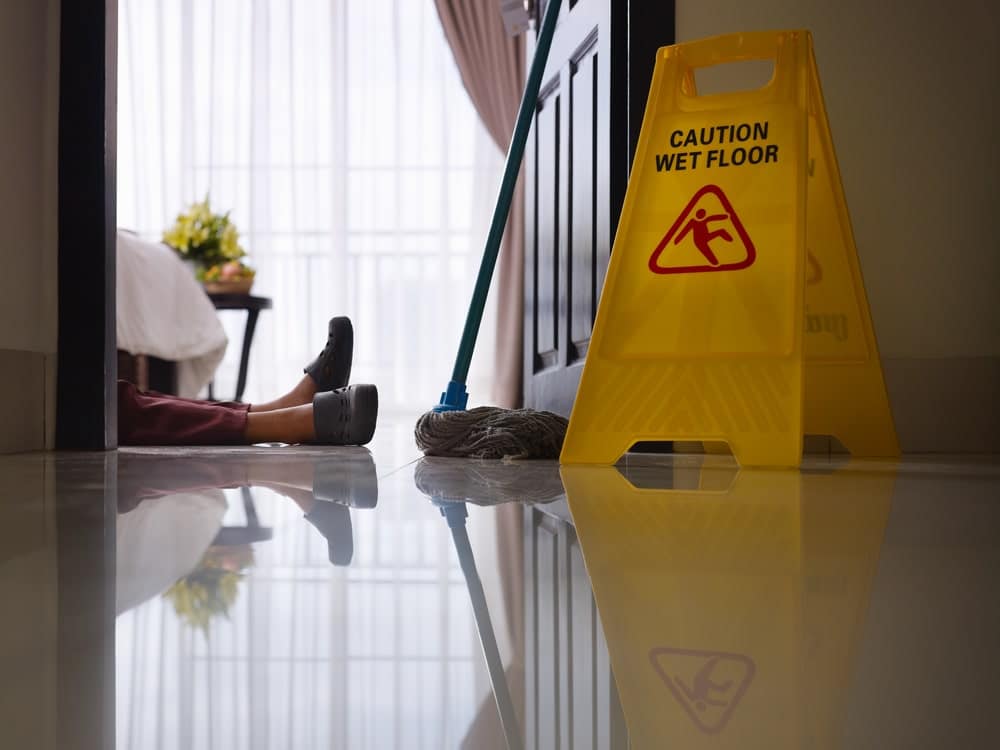
The actions you take in the first hour after a fall can determine whether your claim succeeds. Property owners repair hazards quickly once someone is hurt. If you do not act fast, the evidence may be gone.
Report the fall to the property owner or manager before you leave. Ask them to create a written incident report. Get a copy or photograph it with your phone.
Photograph the hazard that caused your fall. Capture the exact spot, the surrounding area, the absence of warning signs, and any visible evidence of the condition. Wet floors, ice patches, broken tiles, and torn carpet can all be cleaned or fixed within hours.
Photograph your shoes. The insurance company will argue you were wearing inappropriate footwear. Your actual shoes counter that argument.
Get medical attention the same day. Even if you feel fine. Soft tissue injuries and concussions frequently do not produce symptoms until hours or days later. A same-day medical record ties the injury directly to the fall.
Collect witness names. Anyone who saw the fall, or who noticed the hazard before you fell, can provide testimony that supports your account.
Do not sign anything from the property owner’s insurer. An adjuster may contact you quickly. Do not give a recorded statement or sign a release.
Preserve the clothing you were wearing. Stains, tears, and moisture on your clothing are physical evidence of the conditions at the time of the fall.
Contact a slip and fall attorney. Your lawyer sends a preservation letter to the property owner demanding that surveillance footage, maintenance logs, and incident reports be saved. Without that letter, the footage may be recorded over within days.
Keep a written record. Note the date, time, weather conditions, what you were doing, and exactly how the fall happened. Details fade from memory quickly.
Do not post about the incident online. Anything you share on social media can be used by the insurer to argue your injuries are not as serious as claimed.
Long Island, NY Slip and Fall Lawyer FAQs

How much does a Long Island slip and fall attorney cost?
Rosenberg & Rodriguez Personal Injury Lawyers takes slip and fall cases on contingency. You pay nothing unless we recover compensation. No retainer, no hourly charges. The firm funds the investigation and advances all costs. You pay only from the recovery.
What is constructive notice, and why does it matter?
Constructive notice means the hazardous condition existed long enough that the property owner should have discovered and corrected it through reasonable maintenance. A puddle that formed five minutes before your fall is harder to prove than a leak that dripped for two weeks without being repaired. Maintenance logs and prior complaints are the most common ways to establish constructive notice.
Can I sue a national chain store for a slip and fall on Long Island?
Yes. National retailers operating on Long Island are subject to New York premises liability law. They have the same obligation to maintain safe conditions as any local business. Large chains often have corporate policies requiring regular floor inspections. If those inspections were not conducted or documented, the gap in compliance strengthens your case.
What if I fell at my workplace on Long Island?
Workplace falls are typically covered by workers’ compensation, which provides benefits regardless of fault but limits your ability to sue your employer. However, if a third party, such as a property owner, contractor, or equipment manufacturer, contributed to the fall, you may have a separate personal injury claim against that party. Your attorney evaluates both options.
How are damages calculated in a slip and fall case?
Damages include every medical bill from the fall through the end of treatment, lost wages, reduced earning capacity, and the cost of ongoing care if needed. Non-economic damages cover pain, emotional distress, and the impact on your daily life. Falls that cause hip fractures or brain injuries produce the highest damage awards because the long-term costs are substantial.
What if the property owner fixed the hazard after my fall?
Repairs after a fall do not eliminate your claim. In fact, a repair can serve as evidence that the property owner acknowledged the condition was dangerous. New York law limits how repair evidence can be used at trial, but it does not prevent your attorney from arguing that the hazard existed and caused your injuries.
Do I need to file a notice of claim for a fall on public property?
Yes. If you fell on a public sidewalk, in a government building, or on property maintained by a town, county, or state agency, you must file a notice of claim within 90 days. This deadline is strictly enforced. Missing it can end the case before it starts.
How do Long Island weather conditions affect slip and fall claims?
Nassau and Suffolk Counties experience freeze-thaw cycles throughout the winter that create black ice, refrozen slush, and packed snow on walkways and parking lots. Property owners have a duty to address these conditions within a reasonable time after a storm ends. If they fail, and someone falls, they bear liability for the resulting injuries.
Important Resources for Long Island Slip and Fall Cases

Most Dangerous Locations for Slip and Fall Accidents on Long Island
Commercial properties, public transit facilities, and aging sidewalk infrastructure across Long Island produce a high volume of fall injuries.
Dangerous Commercial Areas:
Roosevelt Field Mall: High foot traffic, wet entry floors during rain and snow, parking lot ice accumulation in winter
Broadway Mall (Hicksville): Food court spills, inconsistent floor maintenance, parking lot potholes
Tanger Outlets (Deer Park): Outdoor walkways with seasonal ice, uneven pavement between storefronts
Freeport village commercial district: Aging sidewalks, restaurant spills near outdoor dining areas, limited drainage
Dangerous Public Areas:
LIRR stations across Nassau and Suffolk: Platform ice, stairway handrail deficiencies, wet floors inside station buildings during inclement weather
Town of Hempstead sidewalks: Tree root damage lifting sidewalk panels, creating trip hazards in residential areas
Nassau County courthouse and municipal buildings: Aging facilities where floor maintenance and wet-weather protocols are inconsistent
What Are Important Local Resources for Long Island Slip and Fall Accidents?
These resources may assist you after a slip and fall accident on Long Island, NY.
Nassau County Police Department (516) 573-7300
Suffolk County Police Department (631) 852-6000
NYU Langone Hospital–Long Island (516) 663-0333
Stony Brook University Hospital (631) 444-4000
Rosenberg & Rodriguez Personal Injury Lawyers is not affiliated with and does not endorse any of the resources listed above. This information is provided for convenience only.
About Rosenberg & Rodriguez Personal Injury Lawyers
The firm maintains a Long Island office in Freeport and handles premises liability claims across Nassau and Suffolk Counties. Robin Halstrom, a senior attorney at the firm, spent years handling defense matters for cooperatives, condominiums, and Mitchell Lama housing developments before joining the plaintiff side. That background gives her direct knowledge of how property owners and their insurers evaluate fall claims and build defenses against them. The firm recovered a $225,000 settlement for a woman who tripped and fell on a raised portion of a city sidewalk and sustained a fractured wrist.
What Our Clients Say
⭐⭐⭐⭐⭐
“I had the most wonderful experience with this law firm accepting my case. So professional and very dedicated to helping clients. The attorneys are very knowledgeable and helpful. If you’re looking for an attorney, I highly recommend them to help you.” — Sherdina Ross
Read more reviews on our Google Business Profile.
Additional Resources for Long Island Slip and Fall Cases
Injured at Home Depot or Another Long Island Retail Store? Know Your Legal Rights
What to Do if You’re Injured on MTA Property or Subway Platforms
Top OSHA Violations That Lead to Injury Lawsuits in New York
Contact Rosenberg & Rodriguez Personal Injury Lawyers

The hazardous condition that caused your fall may already be repaired. Your claim should not depend on whether the property owner decided to fix it before or after you were hurt. Rosenberg & Rodriguez Personal Injury Lawyers handles slip and fall cases on contingency. No fees unless we recover. Your free consultation includes a case review by an attorney who will explain your rights and outline the steps for pursuing compensation. Contact us to schedule an appointment.