
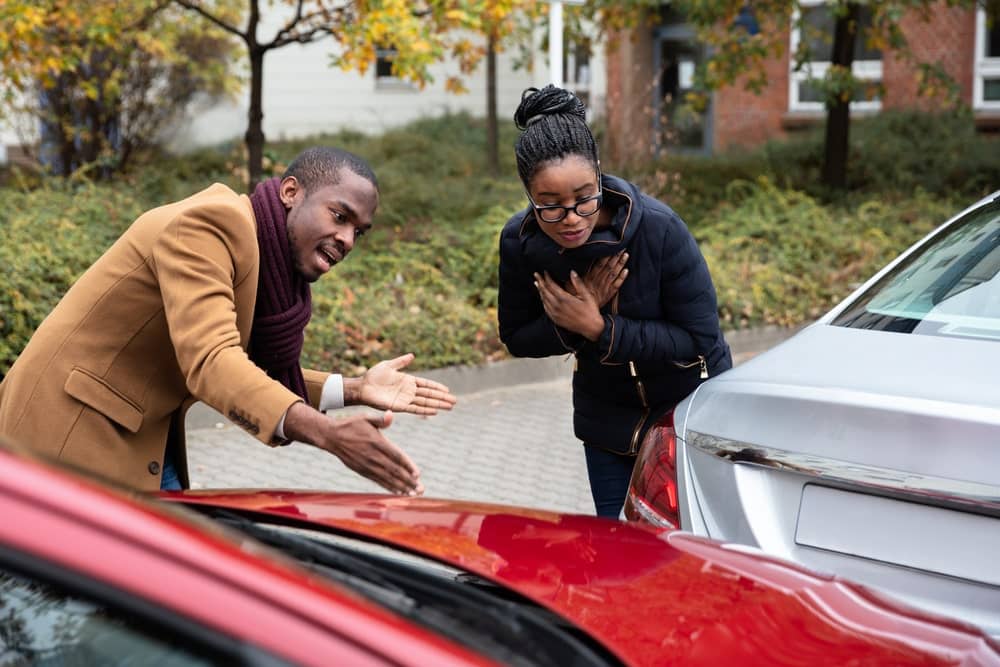
Parking lot collisions tend to happen at low speeds, and many drivers treat them as minor. The injuries and the fault questions are often anything but minor. Because these crashes occur on private property, the usual assumptions about police reports and right of way do not always apply.
Why Parking Lots Are Treated Differently
Most Long Island parking lots are private property. Police may still respond, but they are less likely to issue tickets or assign fault the way they would on Sunrise Highway or Hempstead Turnpike. That leaves insurers to piece together what happened from photographs, witness statements, and store surveillance footage.
Drivers often assume that a crash with no ticket means no one was at fault. That isn’t how liability works. A Long Island, NY car accident lawyer will still apply the same negligence principles that govern public roads, including who had the right of way.
How Right of Way Works in a Lot
Fault in a parking lot usually comes down to a few recurring patterns:
- A driver backing out of a space is expected to yield to vehicles already moving in the lane.
- Drivers in the main feeder lanes have priority over drivers in the smaller lanes between rows.
- Two cars backing into the same space at the same time often share fault.
- Speeding or cutting diagonally across empty spaces shifts responsibility toward that driver.
New York applies comparative negligence to these claims, so a driver who is partly responsible can still recover compensation, reduced by their own share of fault.
Injuries Still Count at Low Speed
Being struck at 10 miles per hour can still cause whiplash, herniated discs, and knee injuries. That is especially true in rear-end collisions, where the occupant has no time to brace.
Shoppers loading groceries or walking between rows are hard to see, and a reversing SUV can cause fractures or head trauma. Pedestrians face the greatest risk in these lots.
Medical bills and lost wages are paid first through no-fault insurance, regardless of who caused the crash. A claim for pain and suffering against the other driver requires an injury that meets the state’s serious injury threshold.
Reporting and Evidence
Even when police don’t respond, state law still applies. Under New York DMV crash reporting rules, drivers must file a Report of Motor Vehicle Crash within 10 days if anyone was injured or property damage to any one person exceeded $1,000.
Ask the business to preserve its camera footage right away. Many systems overwrite within days.
Store owners may also share responsibility when poor lighting, faded lane markings, or a missing stop sign contributed to the crash, which supports a premises liability claim alongside the claim against the driver.
If the other driver left without stopping, the collision becomes a hit and run, and your own uninsured motorist coverage may be the primary source of recovery.
When to Involve an Attorney
Insurers often argue that a low-speed crash could not have caused a serious injury, or that both drivers were equally careless. A Long Island, NY car accident lawyer can counter both arguments with the footage, the medical records, and the physical layout of the lot itself.
At Rosenberg & Rodriguez Personal Injury Lawyers, we have handled parking lot claims across Nassau County, from supermarket lots in Freeport to shopping centers in Garden City.
If you were hurt in a parking lot crash in Nassau or Suffolk County, a Long Island, NY car accident lawyer can review the evidence and the coverage available to you. Contact our office to discuss your case.