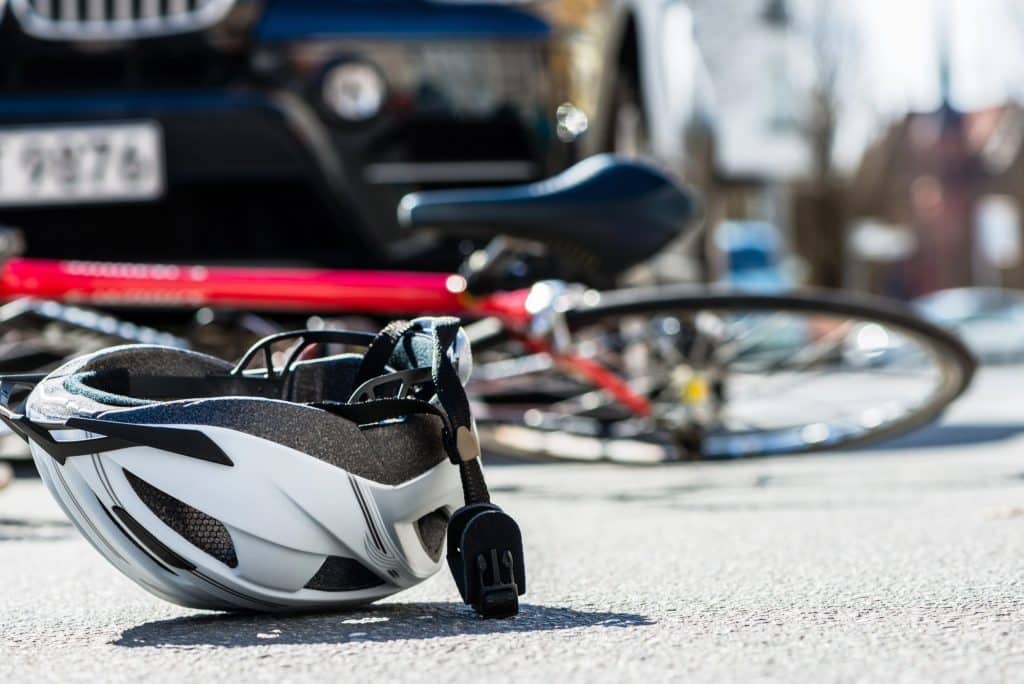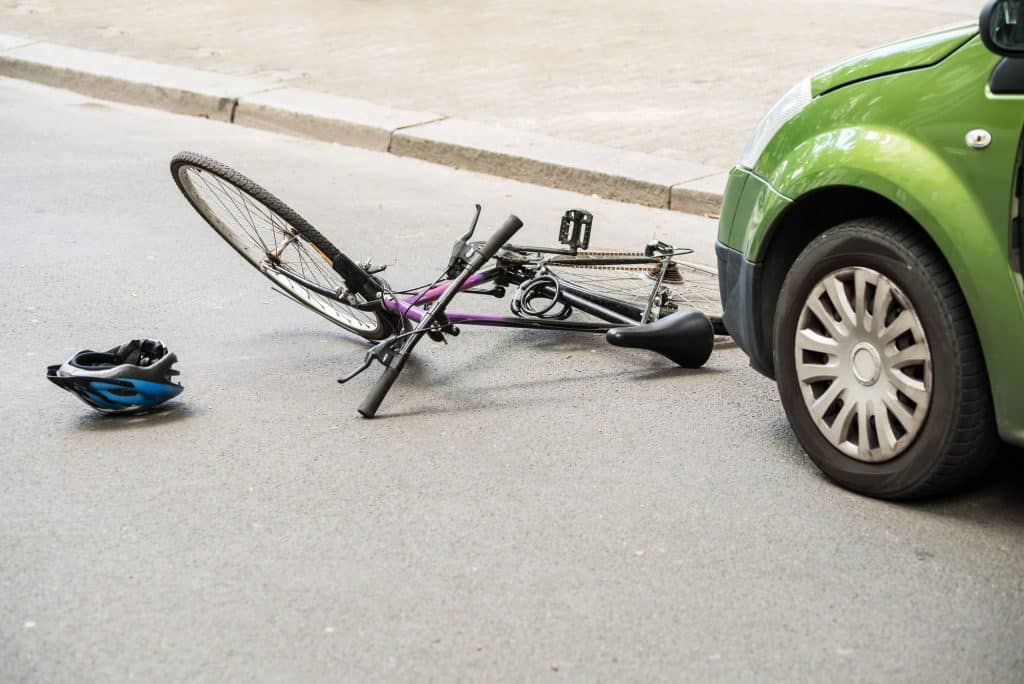

Uniondale’s road network was not built with cyclists in mind. Hempstead Turnpike, Front Street, and the roads surrounding Nassau Coliseum carry heavy vehicle traffic with virtually no protected bicycle infrastructure. Cyclists who ride through Uniondale share lanes with cars, trucks, and commercial vehicles that frequently do not check for riders before turning or changing lanes. Commuters heading to the Coliseum district, students, and recreational riders all compete for the same pavement, and the risk climbs sharply during event traffic and rush-hour congestion.
The FHWA tracks bicycle safety data nationally and identifies the absence of dedicated cycling infrastructure as a primary risk factor in cyclist fatalities. According to NHTSA bicycle data, nearly 900 cyclists die in traffic crashes each year in the United States, with the majority of fatalities occurring in areas like Uniondale where cyclists must share the road with motor vehicles at speeds that leave no margin for error. Suburban corridors that funnel fast-moving commuter traffic through mixed-use areas consistently rank among the most dangerous places to ride.
These statistics put bicycle accident risk in Uniondale, NY in perspective:
- Cyclist fatalities have risen approximately 50% over the past 15 years nationally, even as overall traffic fatality rates have remained relatively stable.
- The majority of fatal bicycle crashes involve a motor vehicle, and the driver’s failure to yield or check for cyclists is the most frequently cited contributing factor.
- Dooring accidents, where a parked driver opens a door into the path of an approaching cyclist, are a recurring cause of serious injuries on commercial streets with curbside parking.
- Nassau County has fewer miles of protected bike lane than comparable suburban areas, which means Uniondale cyclists ride in mixed traffic on roads designed primarily for vehicles.
Any cyclist injured in an accident in Uniondale should get medical attention immediately and consult a Uniondale bicycle accident lawyer about their legal options. Prompt treatment protects your health and creates the medical record that later ties your injuries directly to the crash.
Common Types of Injuries in a Bicycle Accident Case
Bicycle crashes produce injuries that are disproportionately severe relative to the speeds involved. A cyclist struck at 25 mph has no airbag, no seatbelt, and no metal frame absorbing the impact. The rider’s body absorbs the full force of the collision, and the resulting injuries frequently require surgery, hospitalization, and long rehabilitation.
- Traumatic brain injuries. The head strikes the vehicle, the pavement, or both. Even with a helmet, concussions and more severe brain injuries occur frequently. Symptoms may take days to appear, making immediate medical evaluation essential. Left untreated, a brain injury can produce lasting problems with memory, mood, and concentration.
- Broken collarbones and shoulder injuries. The collarbone is the most commonly fractured bone in bicycle crashes. Cyclists instinctively extend an arm to break the fall, and the force transfers through the shoulder. Labral tears and rotator cuff damage are also common, and both can limit range of motion for months.
- Spinal and back injuries. Herniated discs, compression fractures, and vertebral damage result from the impact of being thrown from a bicycle. These injuries often require months of treatment and may cause chronic pain that never fully resolves.
- Road rash and soft tissue damage. Sliding across pavement tears skin and underlying tissue. Severe road rash requires skin grafts and leaves permanent scarring. Soft tissue injuries like torn ligaments may not appear on initial imaging and can worsen if they go undiagnosed.
- Fractures of the wrist, forearm, and hand. Impact with the ground or a vehicle causes fractures in the hands and arms. Multiple fractures may require surgical repair, hardware, and extended rehabilitation before a rider regains normal use.
- Facial and dental injuries. The face and jaw are vulnerable when a cyclist is thrown forward. Lacerations, broken teeth, and jaw fractures all carry significant medical costs and may cause permanent disfigurement requiring reconstructive care.
- Internal organ injuries. Blunt-force trauma from a vehicle strike can cause internal bleeding, ruptured organs, and chest injuries. These are medical emergencies that may not be apparent at the scene, which is why every cyclist should be evaluated even when they feel able to walk away.
- Knee injuries. The knee absorbs impact when a cyclist is struck from the side or thrown over the handlebars. Ligament tears and patellar fractures require surgical intervention and months of physical therapy to restore stability.
The severity of these injuries means that even a seemingly minor bicycle crash can result in damages that run well into six figures when medical costs, lost income, and pain and suffering are calculated together.
Uniondale, NY Bicycle Accident Lawyer FAQs
How much does a Uniondale bicycle accident lawyer cost?
Rosenberg & Rodriguez Personal Injury Lawyers works on contingency. You pay nothing unless we recover compensation. No retainer, no hourly rates, no upfront expenses. The firm advances all investigation and case costs from its own resources, including accident reconstruction, medical record retrieval, and expert consultations. Our fee comes only out of the settlement or verdict we secure for you, and we explain the exact terms in plain language during your free consultation so there are no surprises later.
Does New York require adults to wear bicycle helmets?
No. New York requires helmets only for riders under 14. Riding without a helmet as an adult does not bar you from filing a claim. The insurance company may argue your head injuries would have been less severe, but your attorney can address that defense without it destroying the case. In most cases the argument affects only a portion of the recovery rather than the driver’s underlying responsibility for causing the crash.
What if the driver who hit me left the scene?
A hit-and-run does not eliminate your options. Uninsured motorist coverage on your own auto policy may apply even if you were on a bicycle. Report the incident to police immediately and document as much as you can about the vehicle. Surveillance cameras on nearby businesses often help identify the driver, and your attorney can move quickly to preserve that footage before it is deleted or recorded over.
Can I file a claim if a road defect caused my crash?
Yes. If a pothole, cracked pavement, drainage grate, or unmarked construction zone caused or contributed to the crash, the municipality or contractor responsible for maintaining the road may be liable. A notice of claim must be filed within 90 days for government road defects. Missing that deadline can permanently bar your claim, so it is important to speak with an attorney as soon as possible after this kind of crash.
What types of compensation can I recover?
You can pursue medical bills, surgery, rehabilitation, lost wages, reduced earning capacity, and pain and suffering. Bicycle crash injuries often require extended treatment, and the total claim value reflects the full course of care rather than only the bills you have received so far. Your attorney works with your medical providers to project future costs so that nothing is left out of the demand made to the insurer.
How long does a bicycle accident case take?
Most cases resolve within 12 to 24 months. Clear-liability cases with documented injuries settle faster. Disputed fault, serious injuries, or government defendants add time. The firm prepares every case for trial because that preparation drives better outcomes at every stage. We keep you informed at each milestone so you always understand where your case stands and never feel left in the dark about its progress.
What evidence matters most in a bicycle accident claim?
Photographs of the scene, the vehicle, and your injuries. The police report. Medical records from the day of the crash. Witness contact information. Dashcam or surveillance footage. Your attorney sends preservation demands to ensure critical evidence is not lost. The sooner this material is secured, the harder it becomes for an insurer to dispute how the crash happened or how badly you were hurt.
Should I talk to the driver’s insurance company?
No. Direct all communications to your attorney. Adjusters ask questions designed to minimize the claim. Even a casual statement that you feel fine can be used to reduce your recovery for injuries that manifest later. You are not required to give a recorded statement to the other driver’s insurer, and you should never do so without your attorney present to protect your interests.
About Rosenberg & Rodriguez Personal Injury Lawyers
The firm’s Freeport office at 87 Church Street serves Uniondale and surrounding Nassau County communities. Ivan Rodriguez, who handles bicycle accident and other injury cases for the firm, is fluent in Spanish and a member of the American Association for Justice. He has tried injury cases to verdict across New York and understands how insurers evaluate cyclist claims from the inside. The firm recovered a $100,000 award for a pedestrian knocked down by a vehicle and has secured millions for injured cyclists and other accident victims across Long Island.
Read more reviews on our Google Business Profile.
Contact Rosenberg & Rodriguez Personal Injury Lawyers
Cyclists in Uniondale, NY face roads built for cars and insurance companies that treat riders as second-class claimants. Rosenberg & Rodriguez Personal Injury Lawyers takes bicycle accident cases on contingency. No fee unless we win. Your free consultation includes a full case review and a plan for pursuing the compensation your injuries warrant. The firm responds promptly to new inquiries and will explain your options clearly before you decide how to proceed. Contact us to schedule your appointment.