
Wide Intersections Create Blind Spots For Everyone
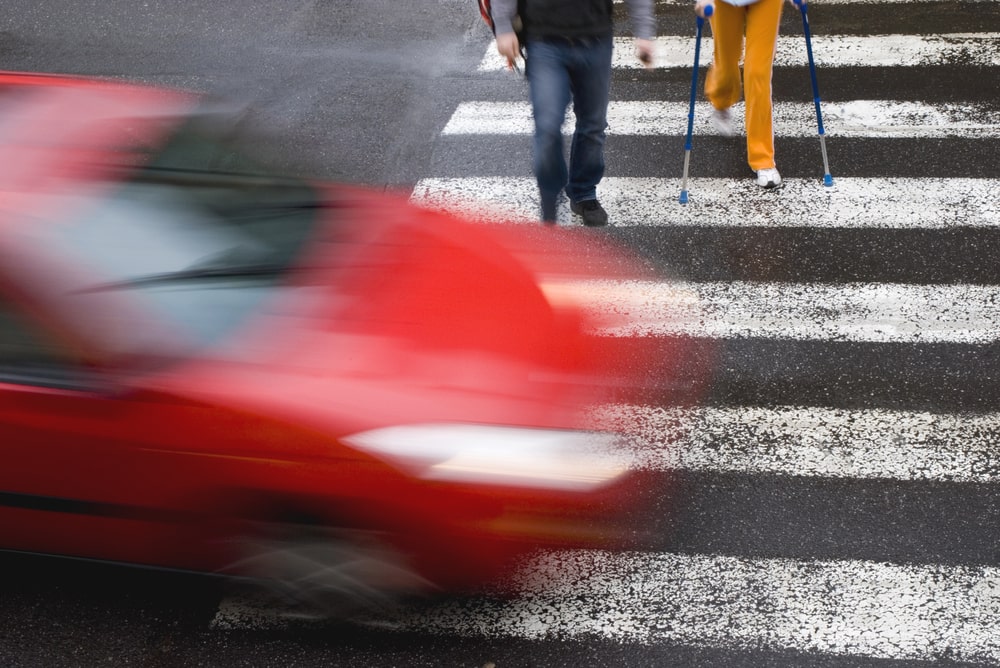
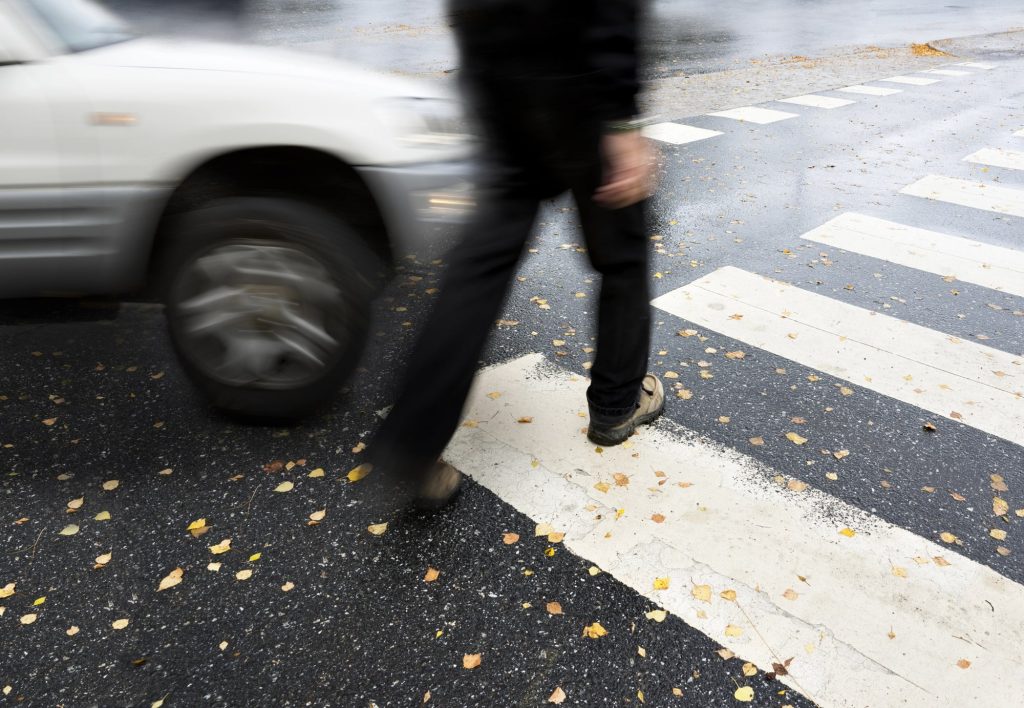
Many of the busiest corners in Queens combine multiple travel lanes, turning traffic, and pedestrians crossing in several directions at once. That combination makes it easy for a driver making a left or right turn to miss someone already in the crosswalk, especially when a light changes and several cars try to clear the intersection at the same time. Wide intersections also give pedestrians a longer distance to cover, which raises the odds that the signal changes before they finish crossing, leaving someone caught between a walk signal that has already ended and a car that assumes the crosswalk is clear.
Drivers Owe A Legal Duty To Watch For You
New York law does not leave this to common sense alone. Under Section 1146 of the Vehicle and Traffic Law, every driver must exercise due care to avoid colliding with a pedestrian, regardless of who technically has the right of way at that moment. That duty applies even outside a marked crosswalk, which matters in parts of Queens where sidewalks end at odd angles or a corner store sits close to a busy curb.
Distraction And Turning Movements Cause Many Collisions
A large share of pedestrian collisions at intersections trace back to a driver focused on oncoming traffic while turning, rather than on the crosswalk directly in front of the car. Phones, dashboard screens, and simple habit all play a role. None of that removes a driver’s legal duty, but it does explain why so many claims come down to what the driver actually saw or should have seen in the moments before impact. A driver who claims a pedestrian appeared out of nowhere is often describing a failure to look, not a genuinely unavoidable situation.
Strong Evidence Makes A Real Difference
Because these cases often turn on what a driver could or should have observed, the details collected early carry weight later on.
- Footage from nearby storefronts, buses, or traffic cameras
- The exact signal phase at the time of the crash, if it can be obtained
- Statements from anyone standing at the intersection
- Photos showing the vehicle’s final position and any turn indicators
Fault Gets Divided, Not Simply Assigned
Insurance companies representing the driver frequently argue that a pedestrian was jaywalking, moving too slowly, or looking at a phone. New York’s fault rules allow for shared responsibility rather than an all or nothing outcome, though recent changes to state law now limit recovery further once an injured person’s own share of fault grows too large. That shift makes it worth reviewing your situation with a Queens pedestrian accident lawyer rather than accepting an inflated fault argument at face value.
An Attorney Can Reconstruct What Actually Happened
Working with an attorney early gives someone time to track down camera footage before it gets overwritten and to interview witnesses while the details are still fresh. That groundwork often becomes the difference between a fair settlement offer and a lowball one built entirely on the driver’s version of events.
Why This Matters Even More At A Busy Corner
The more moving pieces an intersection has, cars turning, pedestrians crossing, cyclists weaving through, the more room there is for a driver’s account to shift once an insurance adjuster gets involved. A Queens pedestrian accident lawyer can pull that story apart methodically, using camera footage, signal data, and witness statements rather than letting the driver’s version stand unchallenged.
Getting The Right Advocate On Your Side
Rosenberg & Rodriguez Personal Injury Lawyers has represented pedestrians hurt at busy Queens intersections for years and understands how these cases get contested by insurers. The firm knows which questions to ask about signal timing, turning movements, and driver attention long before a case ever reaches a courtroom. If a driver’s turn or a moment of distraction left you hurt at a crosswalk, reach out so someone can start gathering the evidence before it disappears.